
Essential details
Shipping:Express Delivery
Product Introduction
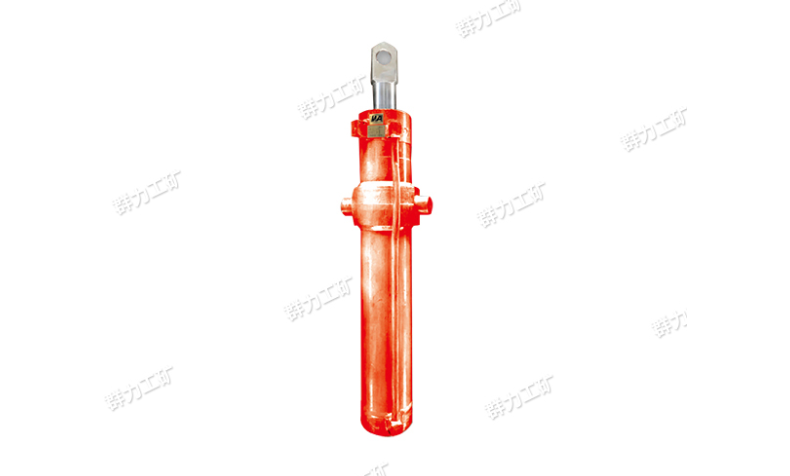
Hydraulic support jack
φ63, φ80, φ100, φ110, φ125, φ140, φ160, φ180, φ200, φ210, φ220, φ230, φ250, φ280, φ300
The push jack is an important component in the hydraulic support. It is mainly used to push the support and the working surface conveyor to advance the scraper conveyor, shearer and support. The following is a detailed introduction:
Structural composition:
It is mainly composed of piston rod components, cylinder components, guide sleeve components and seals. In order to meet different working needs, its internal structure has evolved from the early key type to the currently common piston guide sleeve threaded connection type.
How it works:
Push jacks are usually double-acting hydraulic cylinders. Operate the jack control valve, and the high-pressure liquid is introduced into the lower chamber (piston chamber) of the jack through the hydraulic support control valve group, hose and joint seat, pushing the piston rod to extend; when the jack needs to retract, operate the control valve to allow the high-pressure liquid to enter the upper chamber (piston rod chamber), and the piston rod retracts under the action of the working fluid.
Installation method:
There are two installation methods: formal installation and reverse installation on the bracket. The hydraulic supports of some high-yield mines also require a displacement sensor in the piston rod of the push jack to monitor the push stroke.
Features:
The push jack has a long stroke and harsh working conditions. It is often buried in floating coal and has higher requirements for piston rod coating and sealing.
Function:
The push jack is located in the middle of the base and has the functions of a push conveyor and a pull bracket. Since the required pulling force is greater than the pushing force, a floating piston structure is often used.